Physical Address
304 North Cardinal St.
Dorchester Center, MA 02124
Physical Address
304 North Cardinal St.
Dorchester Center, MA 02124

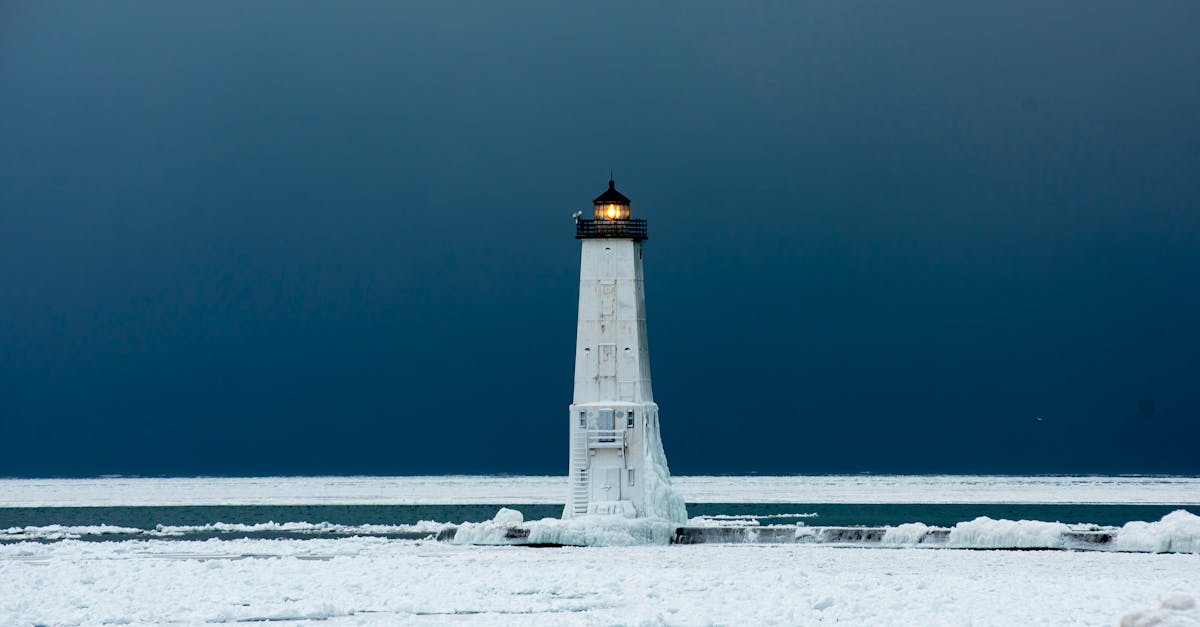
As a winter storm watch expands into 16 counties across Lower Michigan — including key regional hubs like Traverse City and Cadillac — what might look like a routine early-season alert is actually part of a larger story about climate volatility, infrastructure strain, and cultural adaptation in the Great Lakes region.
For residents of the U.S. and Canada, particularly in lake-effect snow belts, this latest system is a reminder that winter weather is no longer just a seasonal inconvenience. It is a recurring stress test for grids, roads, local economies, and political decision-making.
According to regional coverage from outlets such as MLive and summaries carried through Google News, the National Weather Service (NWS) has issued a winter storm watch for a growing swath of Lower Michigan. The watch area now includes communities from the Lake Michigan shore inland toward Traverse City, Cadillac, and surrounding counties.
A winter storm watch typically signals the potential for significant snow, blowing snow, or mixed precipitation within 24–48 hours. Forecasters often highlight:
Coverage from CNN and The Weather Channel in similar Great Lakes events has emphasized that early-season storms tend to catch some drivers and local agencies off guard, especially when bare pavement and above-freezing temperatures persist until just before the system arrives. That pattern appears to be in play again: relatively mild November days followed by a sharp turn to winter.
The expanding storm watch is not just about one system; it’s about the Great Lakes engine that powers intense winter weather.
When cold Arctic or Canadian air masses pass over the relatively warm, open waters of Lake Michigan, they pick up moisture and heat. As that air moves inland over colder land, it cools and dumps snow — often in narrow, intense bands. Communities like Traverse City and Cadillac, while not always on the absolute front line of lake effect, frequently sit near these bands and can see highly variable snowfall over short distances.
In past events highlighted by the Associated Press and CBC News, some Great Lakes communities have seen double-digit snow totals just a short drive from areas that only received flurries. That spatial inequality complicates planning: a county might look fine in one town and paralyzed in another.
To residents, it can feel contradictory: warmer average temperatures, but still brutal snowstorms. Yet climate scientists note that this paradox is exactly what one would expect in a warming world, especially around large inland seas like the Great Lakes.
Research summarized by NOAA and Environment and Climate Change Canada suggests several key trends:
Analysts quoted previously by outlets like The Washington Post and The Hill have argued that these conditions contribute to what many call “weather whiplash”: sunny 50°F (10°C) days followed by hazardous snow and ice within 48 hours. This winter storm watch in Lower Michigan fits that emerging pattern: prolonged fall-like conditions turning rapidly into true winter.
For Canadian readers in Southern Ontario and across Georgian Bay and Lake Huron, the pattern is familiar. Cities like London, Barrie, and Owen Sound often mirror the experiences of Michigan’s lake-effect belt. When a strong westerly or northwesterly flow sets up, the U.S. and Canadian sides of the Great Lakes share the fallout.
Each winter storm watch is also a quiet alert to public works directors and state and provincial budget officials. Snow removal, salting, and emergency response all carry escalating costs.
Previous reporting from AP News and local stations in Michigan and Ontario has highlighted several recurring challenges:
In both the U.S. and Canada, debates over infrastructure investment often spike after a high-impact storm. Lawmakers call for undergrounding power lines or upgrading plows, only to see attention wane when the snow melts. This cycle may face new scrutiny as storms feel less like “once-in-a-decade” events and more like annual trials.
Northern Michigan’s economy is deeply tied to weather-sensitive sectors: tourism, outdoor recreation, agriculture, and small-town retail. The same is true across much of the Canadian side of the Great Lakes.
In the short term, an early winter storm watch can generate:
According to past reporting from regional business journals and CBC’s Marketplace, winter storms often expose how dependent small towns are on a few key transport corridors. If a single highway or bridge becomes impassable, tourism dollars can evaporate for a weekend or longer.
On the Canadian side, border communities that rely on cross-border tourism can see added volatility when American travelers decide to stay home ahead of a storm. In an era where e-commerce and remote work are already undercutting brick-and-mortar retail, weather disruptions add another layer of uncertainty.
How state and local governments respond to events like the current storm watch increasingly feeds into broader political narratives in both the U.S. and Canada.
In recent years, winter weather crises — from Texas’s 2021 grid failure to major outages in Quebec and Ontario — have quickly turned into political flashpoints. According to coverage from Reuters and CBC News, voters and opposition parties often seize on:
In Michigan, winter response is part of the broader conversation about infrastructure modernization, climate adaptation, and how resources are distributed between downstate metropolitan centers and up north. The watch zone stretching into places like Traverse City and Cadillac may reignite longstanding concerns that rural communities feel last in line for upgrades and emergency funding.
For Canadian policymakers in Ontario and other Great Lakes provinces, similar questions echo: are municipalities adequately funded to keep up with more frequent extreme events? Are rural roads, older bridges, and frontline health services prepared for concurrent crises — heavy snow, respiratory illness surges, and energy price shocks?
There is a deep cultural narrative in Michigan, the Midwest, and much of Canada around “toughing out” winter. Generations have worn harsh weather as a badge of identity. But as storms become more erratic and sometimes more dangerous, that ethos is subtly shifting.
Users on Reddit’s regional subreddits for Michigan and Ontario frequently debate how much risk is acceptable when commuting in snowstorms. Some threads emphasize a growing willingness to work from home or push back against employers that expect normal operations in hazardous conditions.
On Twitter/X, many residents have expressed frustration in previous storms when closures are announced late or not at all. Teachers and parents often share photos of treacherous bus routes and unplowed secondary roads, arguing that safety should outweigh the pressure to maintain the appearance of normalcy.
This evolving mindset intersects with broader cultural changes — remote work, flexible schooling options, and the normalization of digital services — that make it more plausible to adapt daily life around weather. The current watch in Lower Michigan will quietly test how many institutions have truly embraced that flexibility versus reverting to pre-pandemic habits.
While real-time reactions to this particular watch are still unfolding, patterns from similar Great Lakes storm alerts help map likely responses:
Many on these platforms express fatigue — not just with winter itself, but with the sense that each year asks communities to cope with a little more volatility than the last, without a matching increase in long-term investment.
The Great Lakes basin binds the U.S. Midwest and central Canada into a shared climate reality. When a lake-effect or clipper system sets up over Lake Michigan or Huron, residents from Muskegon to Sudbury often experience different faces of the same event.
Canadian media such as CTV News and Global News have repeatedly emphasized cross-border weather interdependence during major storms. Highway closures on the U.S. side can affect trucking timelines into Ontario and Quebec, while air travel disruptions in Detroit or Chicago ripple through hubs in Toronto and Montreal.
In the long run, analysts believe this shared vulnerability may push U.S. states and Canadian provinces toward more integrated planning — from coordinated emergency messaging to joint research on lake-effect forecasting, shoreline erosion, and ice cover trends.
Specific snowfall totals and timing will depend on how the storm and associated lake-effect bands evolve, and updated NWS and Environment Canada forecasts will refine the picture as the system approaches. But based on similar setups in recent years, residents in the watch area and adjacent regions can reasonably expect:
Emergency management agencies and weather services routinely emphasize the basics that still make a difference: checking tire tread, topping off windshield washer fluid, verifying emergency kits, and building extra travel time into unavoidable trips.
While no single winter storm watch can be blamed solely on climate change, the aggregate pattern in the Great Lakes region points to several plausible medium- and long-term trends:
Analysts who have spoken to outlets like The Hill and CBC’s The National suggest that Great Lakes communities will not simply “adapt” in a linear way; instead, they will negotiate trade-offs — which roads to prioritize, which neighborhoods to protect from outages, how much to invest in snow-resilient public transit versus car-centric solutions.
For readers across the U.S. and Canada, this expanding winter storm watch in Lower Michigan is more than a local weather bulletin. It is part of a broader story about how North American communities confront climate-energized volatility with systems designed for a more predictable past.
Over the coming days, attention will rightly focus on snow totals, crash reports, and school closures. But the deeper questions raised by events like this will continue to shape politics, policy, and culture: Who is most exposed when weather turns? Who gets protected first? And how long will communities be asked to cope with mounting risks before long-term investments catch up?
As the snow bands form over Lake Michigan and sweep inland toward Traverse City, Cadillac, and beyond, those questions will once again move from policy papers and committee hearings onto the everyday roads, driveways, and power lines of the Great Lakes region.