Physical Address
304 North Cardinal St.
Dorchester Center, MA 02124
Physical Address
304 North Cardinal St.
Dorchester Center, MA 02124

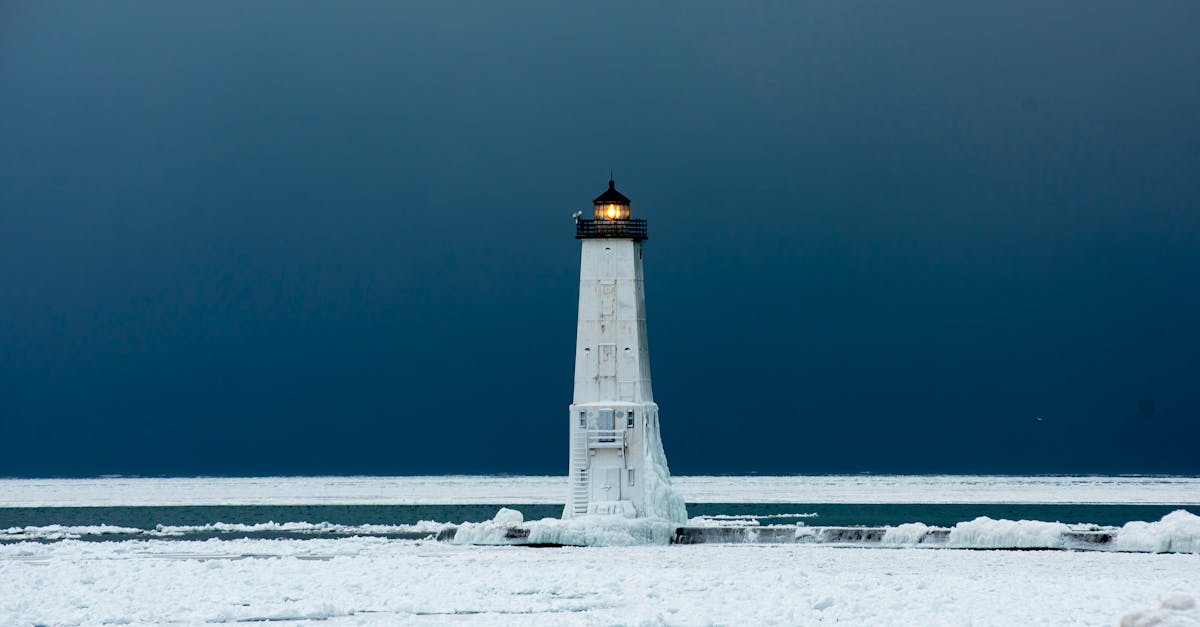
A fast-expanding winter storm watch now covering at least 16 counties across Lower Michigan — including Traverse City and Cadillac — is more than a routine weather alert. For residents across the Great Lakes region, this early-season blast is another sign of a shifting winter pattern that is reshaping local economies, infrastructure planning, and even regional politics.
According to regional coverage from outlets such as MLive and updates circulated through the National Weather Service (NWS) in late November 2025, forecasters expect heavy lake-effect snow and dangerous travel conditions as colder air moves over relatively warm Great Lakes waters. While early-season winter storms are not unusual here, the intensity and timing of recent events echo a broader North American trend: higher variability, sharper swings between warmth and cold, and more frequent heavy-precipitation episodes.
In the U.S. weather alert system, a Winter Storm Watch indicates that conditions are favorable for significant winter weather — typically heavy snow, ice, or mixed precipitation — within the next 24 to 48 hours. It is a step below a warning but above a simple advisory, signaling that residents should start preparing for potentially hazardous conditions.
For Lower Michigan, the current watch reportedly includes areas stretching from the Lake Michigan shoreline inland to communities like Traverse City, Cadillac, and surrounding counties. The primary concerns in this setup typically include:
Forecasters across the Great Lakes region, as frequently discussed in NWS briefings and local television coverage, emphasize that these watches can quickly upgrade to warnings if confidence in heavy snowfall totals increases. The pattern is familiar to longtime Michigan residents, but its broader context now looks very different than it did even 20 years ago.
The Great Lakes are a powerful weather engine. When cold Arctic air flows across relatively warmer lake waters, it picks up moisture and deposits it as snow downwind — the classic recipe for lake-effect events. This is a defining feature of winter life from Michigan to New York and Ontario.
However, scientists and climatologists interviewed in recent years by outlets such as AP News, CNN, and regional public radio stations have noted several emerging trends:
In that context, a late-November winter storm watch extending across northern Lower Michigan is not surprising — but it adds to a growing stack of anecdotal and statistical evidence that winter in the Great Lakes is becoming more volatile. The current storm watch serves as another data point in a trend that researchers at institutions like the University of Michigan and Michigan State University have been tracking for years: more extremes at both ends of the spectrum, with record mild spells and occasional blockbuster snowstorms coexisting in the same season.
For many communities within and near the watch area, winter weather is not just an inconvenience — it is a central economic factor.
Northern Lower Michigan towns like Traverse City and Cadillac rely heavily on winter tourism: skiing, snowmobiling, ice fishing, and winter festivals. A strong, predictable snow season can mean robust revenues for hotels, restaurants, gear shops, and seasonal workers.
Local business owners, in interviews with Michigan and regional outlets in past winters, have often described a double-edged sword:
In that sense, a high-impact storm early in the season can be both a preview and a stress test. If this storm delivers strong snowpack without prolonged power outages or transportation shutdowns, it may actually help kick-start winter recreation. If it causes widespread disruptions, it may deepen concerns that increasingly erratic winter patterns are bad for business certainty.
Beyond tourism, the storm watch intersects with broader economic concerns shared across the U.S. and Canada:
Analysts who spoke with business publications like Bloomberg and The Wall Street Journal in recent years have repeatedly warned that weather volatility, not just long-term warming, is a growing cost driver. Each major storm watch or warning now lands in an environment of already-fragile supply chains and price-sensitive consumers on both sides of the border.
At first glance, a winter storm watch in northern Michigan may seem purely local. But in today’s climate-charged political environment, such events often feed into national debates about infrastructure, climate policy, and disaster readiness.
Major winter events across the Midwest and Northeast, such as the historic Buffalo-area blizzard of late 2022, have prompted calls in Congress and state legislatures for greater investment in:
Michigan’s state budget discussions, as reported in recent sessions by outlets like The Detroit News and Bridge Michigan, have increasingly highlighted climate resilience and local emergency management funding. Each new storm watch, especially if it leads to major outages or accidents, becomes a fresh data point in arguments over how much to allocate to:
Winter weather has long played an outsized role in the politics of climate change in North America. Heavy snow events can be used rhetorically by climate skeptics to question longer-term warming, even as climate scientists stress that a warmer atmosphere can, paradoxically, fuel more intense storms.
Analysts speaking to outlets like The Hill and Politico have noted that:
If this storm watch in Lower Michigan leads to a high-impact event — widespread power loss, major highway closures, or fatalities — it may re-energize debates in Lansing and Washington over targeted climate adaptation funding for the Great Lakes region. For Canadian audiences, similar discussions already recur in Ontario and federal debates over infrastructure renewal and disaster mitigation grants.
Even before the first snowflakes fall, winter storm watches now trigger a familiar wave of social media reactions. While real-time posts will evolve as the storm develops, previous storms of this type — as seen in Twitter/X trending topics, Reddit threads, and Facebook comment sections on local news stories — offer a guide to the likely response.
On Twitter/X, early reactions to storm watches in the Great Lakes typically fall into several patterns:
Many on Twitter/X often express surprise at how quickly conditions deteriorate once lake-effect bands set up, especially for drivers traveling from the relatively snow-free southern counties into the snowbelt zones.
On Reddit, threads in subreddits like r/Michigan and r/weather frequently feature:
Users on Reddit often point out that while individual storms are part of long-standing patterns, the clustering of intense events and the swings between warmth and cold have become more noticeable. These anecdotal impressions align with what climate reports from U.S. federal agencies and Canadian environment ministries have found: higher variability in winter conditions.
On Facebook, where local news pages and community groups remain influential, comment threads typically focus on:
These conversations tend to be more community-centered and less overtly political, but they often surface the gaps in local preparedness — from unplowed side streets to delayed communication — that later inform municipal budget debates.
To understand what this expanding winter storm watch could mean, it is useful to compare it to notable past events in the Great Lakes region.
The November and December 2022 lake-effect events near Buffalo, New York, which were covered extensively by Reuters, CNN, and AP News, delivered multiple feet of snow in narrow bands, paralyzing neighborhoods and straining emergency services. The key lessons repeatedly highlighted by officials and analysts were:
Michigan’s Lower Peninsula has seen its share of memorable winter storms, from the January 1978 “Great Blizzard” to more recent heavy snow events documented in state climatology reports. While the current watch is not yet forecast to reach that historic scale, the comparison is instructive:
The main lesson: technology has made storms more predictable on a broad scale, but local decision-making still determines the real-world impact.
An expanding winter storm watch in Lower Michigan matters well beyond state lines. The Great Lakes form a shared weather and economic ecosystem for much of the U.S. Midwest and central Canada.
Storm systems affecting Michigan frequently also influence Ontario, and vice versa. Heavy snow in northern Lower Michigan can coincide with hazardous driving on Ontario highways, affecting:
Canadian media and federal agencies have, in recent years, highlighted the need to integrate climate and extreme weather considerations into long-term trade and transportation planning. This aligns with U.S. discussions about modernizing bridges, tunnels, and port infrastructure across the Great Lakes corridor.
Both the U.S. and Canada face similar adaptation questions:
Events like the current Michigan storm watch underscore that adaptation is not just about hurricanes and wildfires; it also includes old-fashioned snow — now arriving in new and less predictable ways.
In the immediate term, the effects of the expanding winter storm watch into Lower Michigan will likely be judged on several metrics familiar to local emergency managers and residents:
If local agencies in the affected 16 counties perform well — pre-treating roads, staging crews, and coordinating with state-level resources — the storm may be remembered as a manageable early test of the 2025–26 winter season. If not, it could amplify criticism and spark renewed debate in statehouses over winter preparedness budgets and coordination.
Looking beyond this particular event, several emerging patterns are likely to shape winters in Michigan, the broader Great Lakes region, and much of the northern U.S. and southern Canada:
For individuals living in the storm watch zone or in similar Great Lakes snowbelts in Ontario, New York, Wisconsin, and beyond, this event can be seen as both a short-term safety challenge and a reminder of broader shifts.
In the short term, safety guidance remains straightforward and well-established by agencies like the NWS and Environment and Climate Change Canada:
In the longer term, storms like this support a broader conclusion that analysts have emphasized in reporting by major outlets across North America: climate change is not eliminating winter for the Great Lakes, but it is reshaping it. Policy choices made in the next decade — on infrastructure, energy, land use, and emergency planning — will determine whether this new winter reality remains a manageable nuisance or becomes a chronic source of crisis.
For now, residents from Traverse City to Cadillac are watching the radar, stocking up on essentials, and preparing for another early-season test. How well Michigan weathers this storm will offer an early glimpse of how prepared the region is for the winters of the future.