Physical Address
304 North Cardinal St.
Dorchester Center, MA 02124
Physical Address
304 North Cardinal St.
Dorchester Center, MA 02124

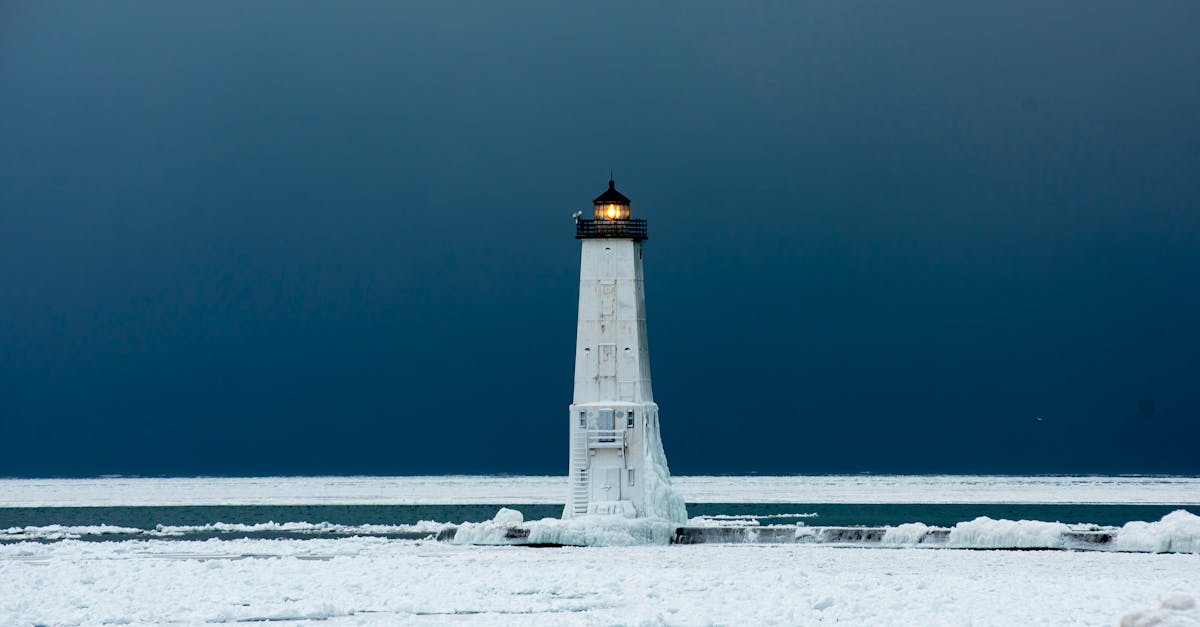
As a potent lake-effect snow event bears down on Michigan through Thanksgiving, much of the national coverage frames it as another “classic Great Lakes blizzard.” That description is only half true. While the storm fits a familiar regional pattern, the backdrop shaping it — warmer lakes, stressed infrastructure, and a charged political debate over climate resilience — is anything but routine.
For Americans and Canadians watching from a distance, the Michigan outbreak is more than just dramatic weather footage. It’s a snapshot of how the Great Lakes region is becoming an early test case for living with more volatile winters, budget-strained cities, and increasingly polarized views on climate readiness.
According to regional coverage from outlets such as MLive and broader forecasts cited by the National Weather Service (NWS), a deep pocket of Arctic air is spilling across the relatively warm waters of Lakes Superior and Michigan. That sharp temperature contrast is the fuel for intense lake-effect snow bands expected to persist through Thanksgiving and possibly beyond.
Forecasters have warned of:
National outlets like CNN and the Associated Press have framed the event as part of a broader early-season cold pattern affecting parts of the Midwest and Northeast. But what makes this storm especially consequential is the timing — colliding directly with one of the heaviest travel weeks of the year — and the underlying trend lines that appear to be reshaping Great Lakes winters.
Lake-effect snow is a uniquely Great Lakes phenomenon. Cold, dry air from Canada sweeps over comparatively warm lake water, picks up moisture and heat, then dumps that moisture as snow when it reaches land. The process is simple in principle but highly sensitive in practice.
Two ingredients are crucial:
When both line up, narrow but intense bands of snow can form, often anchored by wind direction. Communities under these bands can see snowfall rates of several inches per hour while areas just miles away remain relatively calm.
Historically, people in Michigan’s snow belts — places like the Upper Peninsula, the eastern shores of Lake Superior, and the Lake Michigan shoreline — treat this as part of winter’s normal rhythm. But this year’s Thanksgiving storm is becoming a case study in how “normal” is evolving under broader climate shifts.
Climate scientists have been careful to distinguish between individual storms and long-term trends. No single blizzard can be “caused” by climate change. Yet, as multiple studies cited by NOAA and regional climate centers have noted, Great Lakes water temperatures have risen over recent decades, and ice cover has generally declined.
That has several implications:
Researchers quoted in previous coverage by outlets like The Washington Post and The New York Times have stressed that Great Lakes winter precipitation is trending toward more extremes: heavier bursts of snow and rain, interspersed with mid-winter thaws. This Michigan storm appears to fit that pattern, with above-normal lake temperatures meeting a sharp early-season cold shot.
In a political environment where climate debates are often framed along coastal or wildfire lines, the Great Lakes’ role as a winter climate bellwether is less visible but increasingly significant for both the U.S. and Canada.
Thanksgiving week is one of the busiest travel periods in North America. This storm arrives at a time when transportation and logistics systems are already under pressure from staffing shortages, budget constraints, and post-pandemic travel normalization.
Based on patterns seen in past storms and reported by outlets such as AP News and local TV affiliates during similar events, likely short-term impacts include:
For families across the U.S. and Canada with ties to Michigan and the broader Great Lakes region, last-minute changes to travel plans are colliding with emotional expectations around Thanksgiving reunions. The storm is amplifying the longstanding question: How resilient is America’s infrastructure — physical and social — to increasingly erratic weather?
Winter storms in Michigan are always, in part, a story about public works. But the pressures on local and state agencies managing snow removal, salting, and emergency response have been mounting.
Analysts quoted in U.S. outlets like The Hill and USA Today over recent years have pointed to several structural challenges:
In politically divided states like Michigan, the storm response often becomes an implicit referendum on governance. Republicans and Democrats have historically sparred over infrastructure funding, with debates intensifying around how much to invest in climate resilience versus traditional maintenance.
Some dynamics to watch in the wake of this event:
Large winter storms have layered economic consequences, from the immediate hit to small businesses to broader disruptions in manufacturing and logistics that can resonate across the U.S. and Canadian economies.
In the short term:
Longer term, analysts who have spoken to financial outlets like Bloomberg and CNBC about past winter disruptions note that companies increasingly factor weather volatility into site selection and logistics planning. In the Great Lakes context, this could push some distribution and warehousing activity to less snow-prone corridors — but it may also increase investment in resiliency: covered loading docks, backup power, and more robust emergency plans.
For U.S. automakers and suppliers clustered in Michigan, Ohio, and Ontario, short-lived storms rarely shift production in a measurable way. However, repeated weather-related shutdowns over several winters could strengthen arguments for diversifying supply routes and building redundancy into just-in-time networks.
On social platforms, the storm has become a familiar ritual: memes, nostalgia, frustration, and a dose of political edge.
On Reddit, users in r/Michigan and broader U.S. subreddits have been sharing satellite images of the snow bands and road condition photos, mixing practical advice and gallows humor. Many posters emphasized how quickly conditions can shift, warning out-of-state visitors not to assume that their all-season tires or big SUVs will guarantee safety.
Several Reddit threads have also drawn comparisons to earlier events, such as the 2014 “Snowvember” storm near Buffalo and major Upper Peninsula snow seasons, noting that what used to be “once in a decade” seems to be showing up more frequently in some areas.
On Twitter/X, trending discussions have featured clips of near-zero visibility on highways and images of snow choked small-town streets. Many users expressed exasperation at people who ignore warnings and still attempt long drives, while others blamed airlines and airports for not proactively rebooking or adjusting schedules.
The climate dimension surfaced quickly: Some users framed the storm as evidence that “global warming is a hoax,” highlighting the persistent misunderstanding that warmer global averages cannot coexist with severe local cold snaps. Others countered by citing climate research indicating that a warmer atmosphere can intensify certain forms of extreme precipitation, including heavy snow when air is still cold enough.
On Facebook, local news station comment threads showed the usual divide: long-time residents downplaying the storm as “just another Michigan winter,” newer arrivals expressing genuine anxiety, and many parents sharing logistical concerns about school closures, childcare, and holiday plans.
For people in Michigan, northern Ohio, western New York, and Ontario, enduring winter storms is not just an inconvenience — it’s a cultural marker. Snow days, plow schedules, and the shared dread of digging out the driveway are woven into local identity.
Yet there is a subtle shift underway. Younger residents and newcomers — often drawn to midwestern cities by lower housing costs and remote work flexibility — bring different expectations about municipal services, school closure decisions, and risk tolerance. What older residents view as a badge of honor (“we still went to work in this”) can, for others, feel like unnecessary exposure to danger.
Media narratives, especially from national outlets, sometimes exacerbate the tension: depictions of “Midwestern grit” can veer into romanticizing hardship, while practical concerns around road safety, childcare, and mental health in long winters often receive less attention.
This Thanksgiving storm is rekindling debates about:
Michigan remains a key U.S. swing state, and its weather increasingly intersects with national politics. From flooded freeways in Detroit to ice storms knocking out power in rural counties, each major event feeds into broader arguments about infrastructure policy, climate adaptation funding, and the role of federal government.
Analysts who have previously spoken to The Hill and Politico have noted how recurring climate-related disruptions — hurricanes in the South, wildfires in the West, winter storms in the Midwest and Northeast — subtly shift voter expectations. Residents begin to judge leaders less on ideological rhetoric and more on whether the power stays on, the roads are passable, and emergency communications are clear.
In the aftermath of this storm, watch for:
For Canadians, particularly in southern Ontario, this Michigan storm is not a distant drama but part of a shared Great Lakes system. Lake-effect bands do not respect national borders, and snow belts often straddle U.S.–Canada lines.
Canadian outlets such as CBC and CTV have, in past events, highlighted similar themes: aging infrastructure, localized vulnerability, and the need for joint U.S.–Canada approaches on issues like Great Lakes water temperatures, ice cover monitoring, and emergency management coordination.
With both countries grappling with climate impacts, the Great Lakes are becoming a focal point not only for environmental diplomacy but also for shared resilience planning. This Thanksgiving storm is a reminder that decisions made in Washington, Lansing, Ottawa, and Queen’s Park are linked by the same snow bands.
Seasonal outlooks from U.S. agencies like NOAA and Canadian forecasters have suggested that winter 2025–26 could feature significant regional variability, influenced by large-scale patterns such as El Niño or La Niña (depending on current ocean conditions) and Arctic air circulation.
While it is too early to draw firm conclusions from one outbreak, the Michigan storm hints at several possibilities:
Experts note that adaptation doesn’t have a single template. For some communities, it might mean upgraded snow removal equipment and smarter salting techniques. For others, it could involve redesigned housing codes, more robust public transit options that function well in winter, or community-level warming centers and resilience hubs.
For people in Michigan and neighboring states or provinces, the immediate priorities remain straightforward but critical:
For the broader U.S. and Canadian audience, the Michigan Thanksgiving storm underscores a larger point: extreme weather is no longer confined to dramatic wildfire seasons or coastal hurricanes. It is part of the evolving winter story in the continent’s interior — a story that blends climate science, economic strategy, cultural identity, and political decision-making.
On its face, a late-November blizzard in Michigan is one of the most predictable plotlines in North American weather. Residents have snowblowers ready, plows are prepped, and jokes about “pure Michigan” winters circulate every year.
Yet beneath that familiarity, something is shifting. Warmer lakes, aging infrastructure, and a more volatile global climate are turning each “routine” storm into a quiet stress test of how well communities can adapt. The Thanksgiving lake-effect event slamming parts of Michigan may be remembered less for its final snow totals than for what it reveals about where the Great Lakes — and by extension, much of the U.S. and Canada — are headed.
Whether this becomes a turning point for serious investment in winter resilience, or just another episode in a long-running cycle of reaction and forgetfulness, will depend not only on the severity of the storm but on how policymakers, voters, and local leaders choose to interpret it once the snowbanks begin to melt.