Physical Address
304 North Cardinal St.
Dorchester Center, MA 02124
Physical Address
304 North Cardinal St.
Dorchester Center, MA 02124

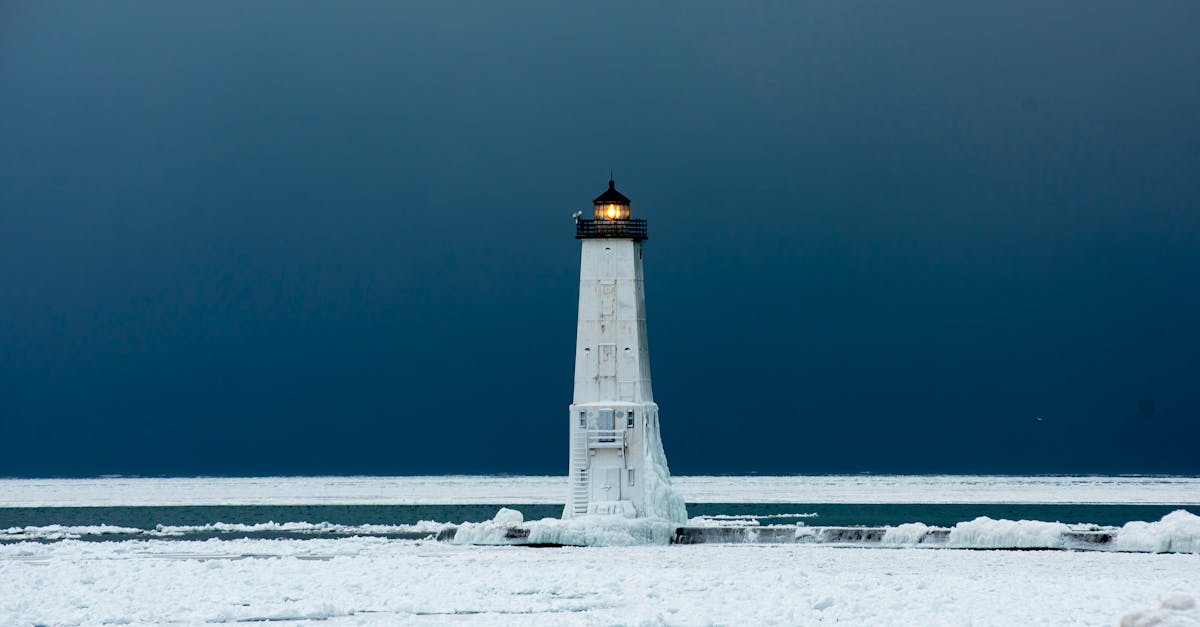
As millions of Americans pack highways and airports for one of the busiest travel weekends of the year, a familiar villain has returned to the script: lake-effect snow. This Thanksgiving, Northeast Ohio once again sits at the intersection of extreme weather, fragile infrastructure, and unshakable holiday tradition — raising bigger questions about how the U.S. handles climate volatility and high-stakes travel at the same time.
Forecasts out of Cleveland and the broader Snowbelt region east of Lake Erie warned of dangerous lake-effect snow bands setting up through the Thanksgiving period, with rapidly changing conditions on I-90, I-271, and secondary routes that connect Cleveland, Akron, and smaller communities along the lake shore. Local outlets, including Cleveland.com and TV affiliates in the region, highlighted the familiar warning that drivers could move from wet roads to whiteout conditions in just a few miles.
According to reporting from the National Weather Service offices that monitor the Great Lakes, these lake-effect events are driven by cold air sweeping over the still-relatively-warm waters of Lake Erie, creating narrow but intense snow bands. Those bands often set up over the same corridors again and again, repeatedly burying some communities while others just a short drive away see almost nothing.
For local residents from Mentor to Ashtabula, the pattern is well-known. For holiday travelers and out-of-town visitors unfamiliar with lake-effect dynamics, it can be a nasty surprise that upends itineraries — and, at worst, threatens lives.
Thanksgiving has become a predictable test of the nation’s transportation system. AAA routinely estimates that more than 50 million Americans travel 50 miles or more over the long weekend, with road travel making up the vast majority. When that demand collides with unstable weather patterns, the impact can ripple far beyond the immediate storm zone.
Climate researchers have been cautious about drawing straight lines between specific storms and long-term climate change, but many have noted that Great Lakes winter patterns are evolving. Warmer lake temperatures later into the fall can fuel stronger or more prolonged lake-effect events, even as the overall length of the snow season shifts. Reports summarized by outlets like The Washington Post and AP News in recent years have cited scientists who warn that variability — more intense bursts, more unpredictable timing — may become the new normal.
That variability hits hardest when it collides with fixed cultural rituals like Thanksgiving travel. Americans don’t move the holiday date when the forecast is bad. Instead, they tend to push through, compressing millions of trips into a narrow window and amplifying the consequences when something goes wrong.
Northeast Ohio, northwest Pennsylvania, and upstate New York have a long history of disruptive lake-effect events around major holidays. Residents recall:
This year’s Thanksgiving forecast for Northeast Ohio fits cleanly into that tradition: travel warnings, school adjustments in lake-effect corridors, and reassurances that major plows and salting crews are ready. But the stakes are higher now, with more travelers, more social media pressure, and a greater awareness that climate instability may turn one-off crises into recurring tests.
Lake-effect snow doesn’t just shut down a few rural routes; it tests how flexible and resilient the entire transport ecosystem is.
Ohio’s Department of Transportation, like its counterparts across the Great Lakes, has long prided itself on winter readiness: salt stockpiles, pre-treatment operations, and quick-turn plowing. Yet lake-effect storms exploit a structural weakness — the speed at which conditions change and the sheer volume of Thanksgiving traffic.
Even a well-treated highway can become treacherous if a single, intense band dumps several inches of snow in an hour over a limited stretch. Visibility can drop to near zero, and drivers accustomed to dry pavement just an exit or two back can suddenly find themselves overconfident and unprepared.
As Reuters and other outlets have reported about previous winter holiday storms in the Midwest and Northeast, the most severe crashes often happen not because authorities are unaware, but because the timing of conditions intersects with heavy traffic and individual risk-taking.
Cleveland Hopkins International Airport is far from the nation’s largest hub, but weather issues there can still create ripples. Icy runways slow operations, deicing queues lengthen, and incoming aircraft are sometimes rerouted or delayed. According to previous holiday coverage by CNN and The Hill, even medium-sized airports can contribute to national delay chains during compressed travel windows.
On busy Thanksgiving weeks, a few canceled or delayed flights in the Great Lakes region can push airlines to reshuffle crews and aircraft, causing missed connections in Chicago, New York, or Atlanta. The result is the familiar pattern: a hyper-local snow band leads to travelers sleeping on cots hundreds of miles away.
Weather itself is not partisan. The response to it often is.
In recent years, major storms and holiday disruptions elsewhere — from Texas’s 2021 power grid crisis to deep freezes that snarled air travel — have sparked political debates about infrastructure investment, climate adaptation, and emergency management. While a typical Northeast Ohio lake-effect episode is less dramatic than a statewide blackout, it still serves as a small-scale stress test for local and state governance.
Lawmakers in Ohio and neighboring states frequently tout road maintenance funding and snow-removal readiness as core public services. When storms coincide with holidays, failures become more visible and politically sensitive. If travelers are stuck on highways for hours or emergency responders struggle to reach crash sites, officials can quickly come under fire for not pre-positioning resources or not issuing earlier warnings.
Analysts speaking to outlets like The Hill over past winter events have suggested that climate volatility may push transportation policy further onto legislative agendas — not just in coastal states facing hurricanes, but also in inland regions with extreme cold, lake-effect snow, and ice storms. Thanksgiving, with its high travel volume and symbolic weight, often becomes the moment when those debates reach a broader audience.
There is a stubborn cultural undercurrent to Thanksgiving travel: people go, even when they know the risks.
Unlike December holidays, where some families have flexibility in travel dates, Thanksgiving is fixed — and deeply emotional. Many Americans see it as a once-a-year reunion that can’t be postponed without significant disappointment or family tension. That mindset makes it difficult for public officials and meteorologists to persuade people to delay plans, even when they warn of severe weather.
According to social threads frequently observed on Reddit’s r/travel and r/Ohio communities, users often weigh the stress and risk of winter driving against the social cost of missing dinner. Many posts in similar years show people debating whether to leave a day early to “beat the lake-effect bands,” with some admitting they’ll “just go for it” and hope the forecast is off.
Thanksgiving also carries a kind of logistical fatalism: airports are packed, highways are crowded, and weather is unpredictable — but the expectation of making it home is non-negotiable. That tension makes events like the Northeast Ohio lake-effect outbreak feel less like isolated weather and more like an annual showdown between nature and ritual.
As forecasts of lake-effect snow over Northeast Ohio circulated ahead of Thanksgiving, social media filled with familiar themes:
The overall sentiment appeared mixed but familiar: resignation to the reality of living in the Snow Belt, frustration from those trying to pass through, and a certain pride among locals in handling conditions that would paralyze other regions.
Thanksgiving storms in Northeast Ohio are part of a broader pattern of weather-driven holiday chaos across North America:
In each case, the story goes beyond inconvenience. These storms serve as case studies in how a high-demand travel moment, rigid calendars, and aging infrastructure intersect with evolving weather risk.
Thanksgiving travel is also big business. Delays, cancellations, and hazardous roads have immediate economic impacts.
Communities in Northeast Ohio depend on holiday travel for revenue: gas stations, diners, chain hotels, and local restaurants all see a surge in business when families are on the move. Lake-effect snow may cut both ways. On one hand, stranded travelers sometimes stay overnight, rent extra rooms, or spend more locally than planned. On the other, crashes, road closures, or scary forecasts can cause people to cancel trips altogether.
In previous harsh winters, local TV and newspapers have interviewed small business owners who described mixed fortunes — some benefitting from increased demand for last-minute supplies and lodging, others suffering from abandoned reservations.
For airlines, any Thanksgiving storm adds to an already tight margin. According to broader analyses reported by outlets such as Reuters, weather-related disruptions cost carriers not just in direct refunds and rebooking expenses, but also in crew reshuffling, overtime pay, and long-term customer dissatisfaction. A relatively small snow event at a mid-sized airport can contribute to a cascade of delays that harms the brand far beyond the affected region.
Insurers and risk analysts, including those quoted periodically in financial coverage from business outlets, also flag winter holiday travel as an increasingly complex risk environment. If climate volatility amplifies the intensity or unpredictability of storms, actuarial models may need adjustment, potentially affecting everything from travel insurance pricing to corporate risk planning.
One recurring theme across social platforms and weather coverage is the sense that people are still surprised, even when warnings are clear. Several factors help explain this disconnect:
According to discussions among weather professionals quoted in mainstream coverage, more targeted alerts — including push notifications that emphasize specific corridors (for example, “I-90 east of Cleveland after 6 p.m.”) — may help narrow that gap. But for now, many travelers are still basing life-or-death decisions on general icons and rough timing.
For this particular Thanksgiving period in Northeast Ohio, meteorologists have emphasized a few practical themes:
Beyond the holiday itself, early-season lake-effect events can serve as dress rehearsals for deeper winter. How quickly roads are cleared, how communication flows, and how people react all provide data for state and local agencies as they refine their plans for December and January.
Looking ahead, analysts and researchers see several possible shifts in how North Americans approach Thanksgiving travel in an era of more volatile weather:
Some employers are already expanding remote-work options around the holidays, allowing workers to travel earlier in the week or stay longer with family. If that trend continues, Thanksgiving may slowly stretch from a rigid Thursday focus to a more flexible, week-long period for some households — spreading out travel demand and diffusing peak-risk hours.
However, as labor coverage in outlets like The New York Times and Bloomberg has often noted, such flexibility is highly unequal. White-collar professionals may gain scheduling freedom, while hourly workers in retail, healthcare, and service jobs — many of whom live in regions like Northeast Ohio — often remain locked into narrow windows.
As forecasting tools improve and road-sensor networks expand, agencies may begin using more aggressive, data-driven closure strategies for particularly dangerous stretches of highway during intense lake-effect bands. That could mean temporary, rolling shutdowns of segments of I-90 or key secondary routes during peak whiteout conditions, rather than simply advising caution.
Such moves would likely be controversial. Some drivers would see them as overreach or paternalism, while safety advocates and many emergency responders might argue they are overdue.
While winter storms are nothing new for the Great Lakes, the combination of aging bridges, congested interchanges, and more erratic weather may drive new calls for investment. This could include:
Federal infrastructure funding debates already touch on climate resilience; recurring Thanksgiving disruptions may quietly add public pressure, even if they do not dominate headlines in Washington.
For residents of the U.S. and Canada, the Northeast Ohio lake-effect Thanksgiving story is less a local anomaly and more a template for what holiday travel increasingly looks like across the continent. Canadians crossing through Ontario, Quebec, or the Prairie provinces face their own early-winter systems, and cross-border travelers between Ontario and the Great Lakes states often find themselves navigating similar lake-effect dynamics near Windsor, Sarnia, and Niagara.
The key takeaways for North American travelers are consistent:
Thanksgiving will likely remain immovable on the calendar. The climate and our infrastructure, however, are not. Northeast Ohio’s latest storm is a reminder that the cost of clinging to tradition without adapting behavior can be measured not only in delays and missed dinners, but sometimes in lives.
Lake-effect snow hitting Northeast Ohio this Thanksgiving is, on its face, a regional weather story. But in the broader mirror, it reflects a national challenge: how to maintain cherished rituals in an era when the environment is less predictable and the systems we rely on are under strain.
The images that emerge — cars stuck along I-90, airport boards flashing delays, families refreshing radar apps between bites of turkey — are not just snapshots of inconvenience. They are signals that the country’s relationship to travel, weather, and time itself may need to evolve.
For now, millions will still hit the road and skies between the Great Lakes and the coasts, betting that they can thread the needle between storms and schedules. Whether those odds get better or worse in the coming years will depend not only on the whims of lake-effect bands, but on how seriously policymakers, businesses, and travelers take the lessons from holiday storms like this one.