Physical Address
304 North Cardinal St.
Dorchester Center, MA 02124
Physical Address
304 North Cardinal St.
Dorchester Center, MA 02124

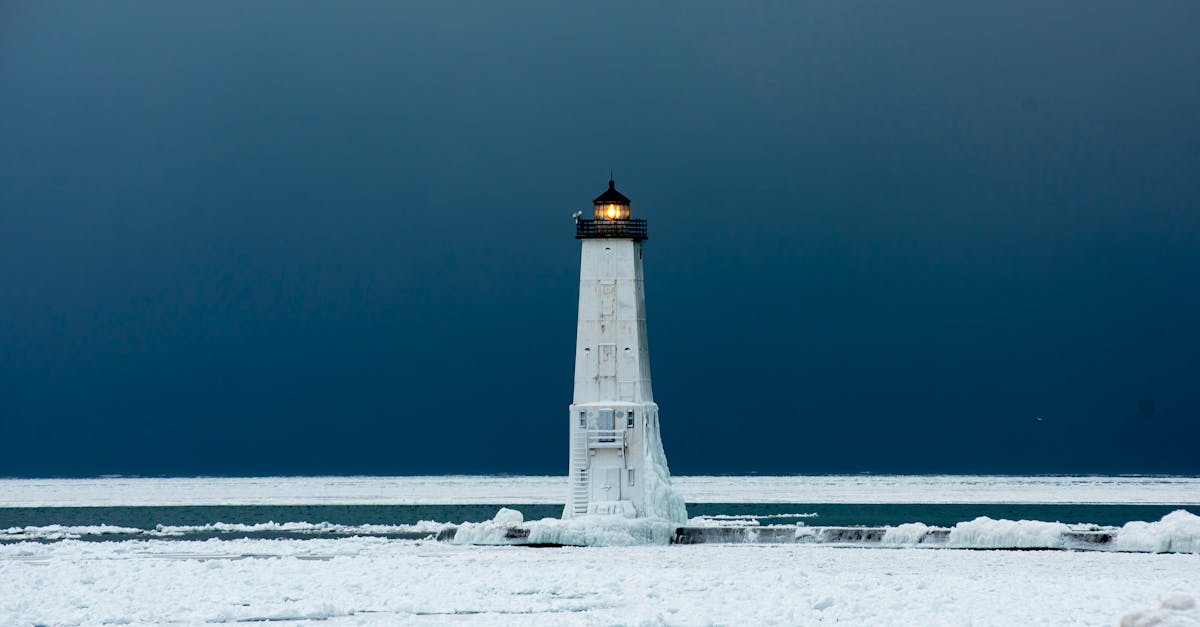
As millions of Americans hit the road and head to the airport for Thanksgiving, a powerful winter storm system tracking across the Great Lakes is turning Michigan into one of the most treacherous corridors for holiday travel in 2025. What might look like a routine regional storm is, in reality, a window into a much bigger story: how the intersection of climate volatility, infrastructure strain, and political division is reshaping winter in the Midwest — and how that affects the rest of the United States and Canada.
Forecasts from the National Weather Service (NWS) and local outlets like MLive and Detroit Free Press indicate a dynamic winter storm system moving across the Upper Midwest into the Great Lakes, with Michigan squarely in the crosshairs. Depending on location, the system is expected to bring a dangerous mix of heavy lake-effect snow, blowing snow, freezing drizzle, and rain-to-snow transitions as temperatures drop.
According to NWS regional outlooks, the threat window runs through the main Thanksgiving travel period — from early-week departures to the crowded return on Sunday — with particular concern for:
While exact snowfall totals differ by model and can shift within 12–24 hours of impact, forecasters are emphasizing travel hazards over raw inches: rapid changes in road conditions, whiteouts in open stretches, and flash-freezing scenarios where wet pavement turns to ice in a matter of minutes as temperatures drop behind frontal passages.
To people outside the region, a winter storm over Michigan can sound like a localized weather story. In reality, Michigan functions as a
According to pre-pandemic data from AAA and the U.S. Department of Transportation, the Thanksgiving period consistently ranks among the busiest travel windows of the year, with tens of millions on the roads nationwide. Even if 2025 levels are still normalizing after years of inflation, hybrid work, and shifting travel habits, the Great Lakes corridor remains crucial for:
This is why a Michigan-centered storm often ripples well beyond state lines. A system that slows traffic near Battle Creek or Flint can knock deliveries off schedule in Chicago or Toronto and ripple into Atlanta or New York through airline connection disruptions.
Local headlines may frame this as a “typical” Great Lakes storm, but climatologists have been warning that what feels like winter as usual is layered onto a long-term trend of greater volatility and sharper swings.
Studies summarized by the National Oceanic and Atmospheric Administration (NOAA) and the Intergovernmental Panel on Climate Change (IPCC) suggest several dynamics that are highly relevant to storms like this one:
In other words, a single storm cannot be blamed on climate change, but the environment in which storms form and intensify has changed. As one climatologist told CNN in past coverage of similar systems, the Great Lakes region appears to be entering an era of “less predictable, more extreme” winter behavior — shorter windows for ice but more potent snow bursts when conditions align.
Thanksgiving storms are not just meteorological events; they are stress tests of basic systems that residents in the U.S. and Canada usually take for granted.
Michigan’s roads have become a running political punchline — and a legitimate policy crisis. Governors and legislatures in both parties have struggled openly for years to find long-term funding fixes. Winter storms accelerate pothole formation and degrade already fragile surfaces, and more volatile freeze–thaw patterns make maintenance even harder.
According to past reporting from the Detroit Free Press and Bridge Michigan, local road commissions and MDOT face chronic funding gaps that often force them into triage mode: keeping the busiest roads passable while lower-priority routes deteriorate. A high-impact holiday storm forces plow crews to stretch further, often on overtime, just as many are understaffed.
If this particular Thanksgiving system trends more snowy than icy, grid operators across Michigan and neighboring Ontario may breathe a sigh of relief. Ice is the bigger structural threat: it clings to tree limbs and power lines, leading to breakages and extended outages. Previous storms in the region, like the February 2023 ice event, left hundreds of thousands without power around Detroit and across southern Michigan.
However, even heavy, wet snow and strong winds can down lines. Utilities in Michigan have been under growing scrutiny, with customers and local officials frustrated by frequent, prolonged outages. Reporting by outlets such as the Associated Press and local TV stations has highlighted complaints that infrastructure upgrades are lagging behind the pace of severe weather. A messy Thanksgiving storm could sharpen that political pressure if outages coincide with family gatherings and travel.
Thanksgiving is already a high-demand period for police, firefighters, and EMS — from traffic accidents to alcohol-related incidents. Add in whiteout conditions and multi-car pileups, and the strain multiplies. Michigan’s rural and northern communities often rely on smaller, leaner departments, where a single major crash can tie up limited resources for hours.
In past storms, CNN and regional outlets have documented cases where response times doubled or tripled due to impassable roads. If this storm behaves as forecast, northern Lower Michigan and the U.P. could see precisely that kind of challenge again.
Weather is rarely just weather in American politics, especially in swing states. Michigan, a key battleground in recent presidential cycles, sits at the center of intertwined debates over infrastructure, climate policy, and federal disaster aid.
Both Democratic and Republican leaders in Michigan have campaigned on fixing roads, upgrading bridges, and modernizing utilities. When storms expose weaknesses — unplowed side streets, long outages, blocked rural roads — they become living exhibits in partisan arguments:
If travel chaos unfolds this week, expect local politicians and national surrogates to fold the storm into broader narratives about governance, competence, and priorities — especially with the 2026 midterms already looming in the background.
Major snowstorms often become fodder for the ongoing culture war about climate change. In previous winters, commentators and some politicians have used images of deep snow to dismiss or mock global warming concerns. Climate scientists counter that warmer air can hold more moisture, sometimes supporting heavier snow when cold air does arrive.
Analysts previously told outlets like The Hill and NPR that communicating these nuances to the public is challenging, especially when partisan media ecosystems reduce complex patterns to one-line talking points. A disruptive Thanksgiving storm over Michigan is almost certain to be referenced in televised debates, talk radio segments, and social media arguments over whether climate policy is urgent, overblown, or misdirected.
While this event is, for now, projected as a severe but routine winter storm, the U.S. Federal Emergency Management Agency (FEMA) and state emergency management agencies will be watching for signs that it might tip into disaster territory: widespread, prolonged power outages, stranded travelers, or critical infrastructure failures.
In the past, presidents of both parties have approved emergency declarations for major winter storms when local and state resources are overwhelmed. That support can become a flashpoint: critics sometimes accuse leaders of favoritism or election-year pandering, while supporters insist it’s simply the federal government’s job to step in when needed.
Even before the first flakes fell, the storm system was generating debate and anxiety online.
On regional subreddits focused on Michigan, travel, and weather, users have been sharing advice that often outperforms official public messaging in detail and practicality. Many emphasize:
Some users also express frustration that employers still require in-person work Wednesday or Friday, forcing employees into dangerous commutes despite widely publicized forecasts.
On Twitter/X, discussion appears more emotional and instantaneous. Many users are posting screenshots of weather maps and model runs, tagging airlines and local officials with skeptical comments about their preparedness.
Trending posts often highlight:
As the storm evolves, viral clips of near-misses, jackknifed trucks, and whiteout conditions on major interstates are likely to circulate, shaping national perception of the event more than any official briefing.
On Facebook, where community groups and neighborhood pages remain influential, much of the conversation revolves around logistics: whether elderly relatives should risk the drive, whether churches will hold services, whether youth sports or local events will be canceled.
Comment threads on local news station pages often feature sharp criticism of municipal performance — questioning plow schedules, salt usage, and why certain neighborhoods always appear to be last to be cleared.
The immediate impact of a Thanksgiving storm is felt by travelers and families, but the economic ripples can extend for days or weeks.
According to previous analyses from airlines and coverage by CNN and Reuters, winter storms impose direct costs via de-icing, crew dislocation, and fuel inefficiencies, plus indirect costs from customer compensation and brand damage. Detroit’s DTW is a major connecting hub; if outbound or inbound flights are delayed or canceled, disruptions will spread across the country.
Airlines have become more proactive about preemptive cancellations, partly to avoid chaotic scenes at airports. While that approach can improve safety and reduce operational chaos, it can also leave passengers stranded earlier and lengthen the duration of the disruption.
Local businesses are caught in a paradox: storms can dampen foot traffic, but also spur last-minute buying. Grocery stores typically see a pre-storm rush as people race to grab staples and holiday ingredients. If road conditions deteriorate, day-of sales may collapse, particularly for dine-in restaurants expecting Thanksgiving reservations.
Hotels along interstates may see unexpected bookings from stranded travelers, but smaller bed-and-breakfasts or family-run establishments could lose guests who cancel out of caution.
Long-haul truck drivers, already coping with tight schedules and regulatory limits on driving hours, face an unenviable calculation: press ahead and risk dangerous conditions, or pull off and risk late deliveries, expired loads, and upset clients. Even a one- or two-day disruption in a key corridor like I-94 can nudge some supply chains off schedule, especially in sectors like groceries, auto parts, and e-commerce that operate on lean margins and just-in-time principles.
In much of the Upper Midwest and Great Lakes region, the idea of a clear, mild Thanksgiving is almost suspicious. There’s a lived cultural expectation that winter will, sooner or later, assert itself — and family stories often revolve around the year someone got stuck, slid into a ditch, or arrived six hours late but still made it for dessert.
That sense of shared hardship reinforces a broader cultural narrative of Midwestern resilience: a pride in enduring hardship without complaint, in stocking up early, and in helping a stranger push their car when they get stuck at the intersection.
But there is a less romantic side: the normalization of risk. When residents frame dangerous storms as merely “another Michigan winter,” it can reduce the urgency of preparation and lead to preventable tragedies. Public safety campaigns increasingly urge people not to rely on bravado — “I’ve driven in worse” — but on up-to-date forecasts and common sense.
Recent history offers a sobering comparison for both residents and policymakers.
Michigan’s current Thanksgiving system does not appear, based on available forecasts, to be of the same catastrophic scale, but these case studies inform how officials and the public should respond: with humility, caution, and a willingness to adjust plans quickly.
Based on current NWS guidance and the behavior of similar past systems, travelers in and around Michigan should brace for:
From a safety perspective, public agencies are likely to emphasize the same core advice: slow down, leave extra space, pack emergency supplies, and — when conditions truly deteriorate — stay off the roads if travel isn’t essential.
Beyond this specific storm, several emerging trends suggest that disruptive holiday weather may become a recurring feature, not a rare exception:
For the U.S. and Canada, particularly in the Great Lakes and Northeast, the question is no longer whether winter storms will collide with holiday travel. They will. The question is whether public policy, infrastructure, and individual behavior will adapt quickly enough to reduce the human and economic costs.
As Michigan braces for hazardous Thanksgiving travel, what’s unfolding is more than a weather story. It is a snapshot of a country and a continent grappling with old expectations and new realities: the enduring cultural weight of Thanksgiving, the pride in pushing through bad weather, and the emerging recognition that climate volatility and infrastructure fragility have raised the stakes.
In the immediate term, the advice is simple: check forecasts often, respect road conditions, and prioritize safety over tradition if the two come into conflict. In the longer term, this storm is yet another reminder that the Midwestern winter — once seen as harsh but predictable — is becoming more unstable, and that both the U.S. and Canada will need to rethink how they prepare for, travel through, and talk about the season that defines so much of life around the Great Lakes.
Thanksgiving in 2025 may not be remembered for a single blockbuster blizzard, but for many families navigating icy highways, delayed flights, and flickering lights, it will feel like a turning point — another year when the weather made clear that the old normal is gone, and the new one is still being negotiated.